It is the quadrennial international men's football (soccer) tournament organized by FIFA (the International Federation of Association Football) to determine the sport's world champion.
1 member • 11 followers

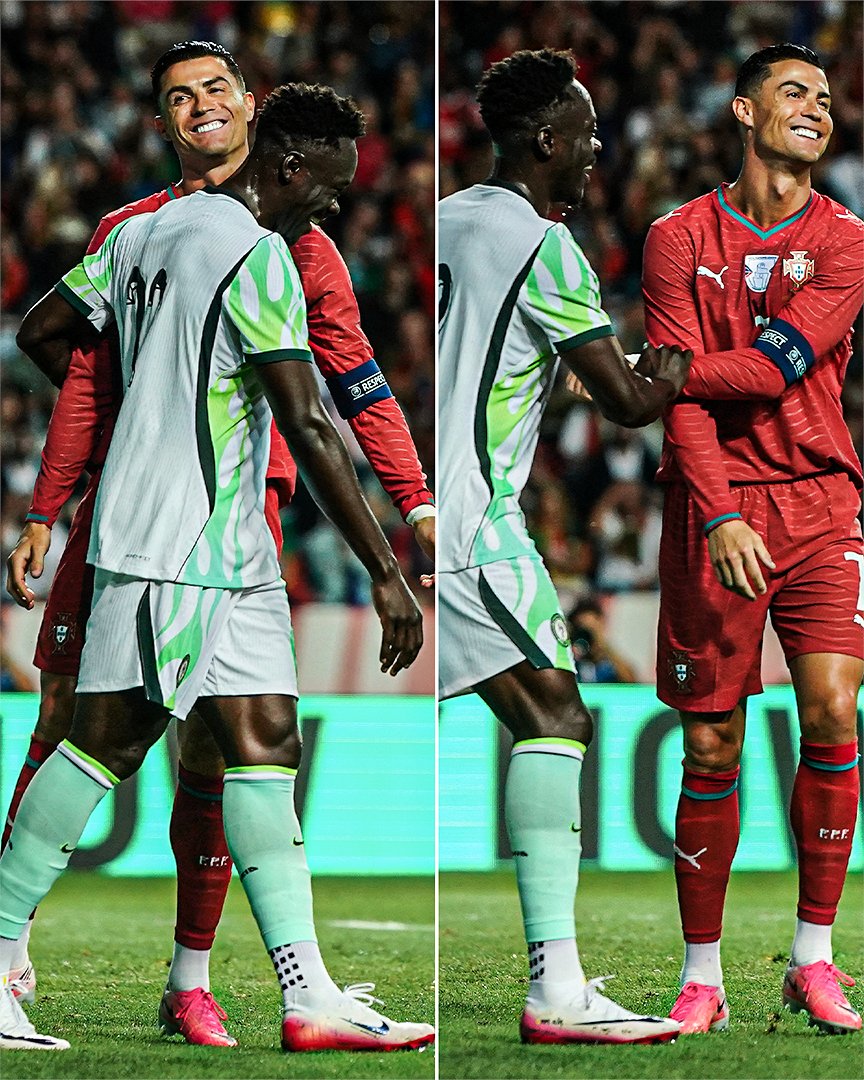
Portugal's 2026 FIFA World Cup campaign began with disappointment as they were held to a 1-1 draw by DR Congo in a match many expected them to win comfortably.
Coming into the tournament as one of Europe's strongest sides, Portugal were tipped to make a statement in their opening fixture. Instead, they left the pitch with more questions than answers after failing to turn their dominance into victory.
Portugal started brightly and took the lead through João Neves, giving fans hope of a comfortable afternoon. However, DR Congo refused to back down and responded with determination, eventually finding an equalizer that stunned the Portuguese supporters.
While Portugal enjoyed the majority of possession and controlled large periods of the game, their attack lacked the sharpness and creativity expected from a squad packed with world-class talent. The team struggled to break down a disciplined Congolese defense and often looked short of ideas in the final third.
As expected, much of the post-match discussion has centered around Cristiano Ronaldo.
The legendary forward remains one of football's greatest-ever players, but at 41 years old, questions about his role in the national team continue to grow. Against DR Congo, Ronaldo worked hard but failed to make the decisive impact Portugal needed. Several attacks appeared focused on finding him, making Portugal's offensive play predictable and easier to defend.
However, placing all the blame on Ronaldo would be unfair.
Portugal's midfield failed to consistently create chances, their wingers struggled to stretch the opposition, and the team's overall tempo was often too slow. The draw exposed collective issues rather than the shortcomings of a single player.
The bigger concern for Portugal may be whether they have become too reliant on Ronaldo's presence. Modern international football demands fluid movement, quick transitions, and unpredictability. At times, Portugal appeared more focused on feeding their iconic captain than adapting to the demands of the match.
That does not mean Ronaldo should be dropped. His leadership, experience, and ability to deliver in crucial moments remain valuable assets. But Portugal may need to find a better balance between honoring their greatest player and embracing the energy of their younger stars.
Players like João Neves, Rafael Leão, Pedro Neto, and Bruno Fernandes have the quality to drive Portugal forward, but they must be allowed to take greater responsibility if the team is to reach its full potential.
A draw in the opening game is not a disaster, but it is a warning sign.
Portugal still have enough quality to progress deep into the tournament. Yet if they continue to struggle creatively and fail to evolve beyond a Ronaldo-centered attack, tougher opponents will punish them.
The draw against DR Congo was more than just dropped points—it was a reminder that reputation alone does not win World Cup matches. Portugal now face a crucial decision: continue relying on the past or build a future that maximizes the talent throughout the squad.
The answer could define their entire World Cup journey.
0
36