
Kaothaj_
4 months ago
United States military forces launched precision strikes against Iranian drone installations in Bandar Abbas, drastically escalating hostilities in the region.
United States military forces launched targeted precision strikes against an Iranian military installation in Bandar Abbas early Thursday, neutralizing four attack drones in a preemptive maneuver designed to protect international shipping in the Strait of Hormuz.
Representing the second direct American assault on Iranian soil in under 72 hours, the operation underscores the extreme fragility of a nominal regional ceasefire. As Washington flexes its immense military might to secure vital energy corridors, the escalating brinkmanship threatens to trigger a broader conflict with devastating implications for global economic stability.
Precision Strikes in Bandar Abbas
The coordinated aerial assault targeted a strategic military site on the southern coast of Iran. United States Central Command, which oversees military operations in the Middle East, confirmed that the facility was actively preparing to launch a fifth one-way attack drone when American munitions decimated the launch pads.
Explosions were heard echoing east of the port city of Bandar Abbas, a crucial naval hub for the Iranian military. Central Command officials described the overnight action as a measured, purely defensive engagement intended to neutralize immediate airborne threats directed toward commercial tanker traffic.
This latest intervention follows a similar barrage executed on Monday, where American forces targeted coastal missile batteries and fast-attack boats allegedly attempting to lay naval mines in the narrow shipping lanes. The consecutive strikes demonstrate a decisive shift in the operational posture of the Pentagon, moving from deterrence to active degradation of Iranian capabilities.
Defending the Maritime Corridor
The primary catalyst for the American military intervention is the uncompromising defense of the Strait of Hormuz. The waterway is the most critical geopolitical chokepoint on the planet, responsible for the transit of one-fifth of the global petroleum supply.
In recent months, Iranian forces have aggressively harassed commercial vessels, utilizing unmanned aerial vehicles to intimidate and occasionally strike tankers. The United States asserts that these actions violate international maritime law and threaten the foundational pillars of global free trade.
Four Iranian one-way attack drones were successfully intercepted and destroyed during the Thursday operation.
Thousands of commercial tanker ships remain stranded or delayed in the Persian Gulf, awaiting naval escorts.
The relentless disruption has choked global energy supply chains, creating unprecedented logistical bottlenecks.
By striking the launch facilities directly, the American military aims to sever the offensive capabilities of the Islamic Revolutionary Guard Corps before they can deploy their asymmetric weaponry over the open ocean.
The Rhetoric of Retaliation
The government in Tehran has reacted with predictable fury, condemning the American strikes as a grave and unforgivable violation of the existing ceasefire. Iranian state media broadcasted fiery statements from military commanders vowing that the nation will not leave any act of hostility unanswered.
The Islamic Revolutionary Guard Corps escalated the rhetorical war, claiming they had successfully downed a United States surveillance drone and fired upon an American fighter jet earlier in the week. While the Pentagon has not corroborated these claims, the narrative of reciprocal violence fuels intense domestic nationalism within Iran.
In Washington, President Donald Trump addressed the escalating crisis during a highly publicized cabinet meeting. He maintained that Iran is crumbling under economic pressure and expressed a willingness to secure a diplomatic deal, but delivered a stark ultimatum. The president warned that if negotiations fail, the military will simply have to finish the job.
Fragile Ceasefire on the Brink
The renewed hostilities place the protracted, three-month peace negotiations in absolute jeopardy. Diplomats from allied nations have been working tirelessly behind closed doors to broker a permanent cessation of violence that would reopen the Strait of Hormuz without conceding to Iranian demands for shipping tolls.
The dual approach of the United States—applying maximum economic sanctions while simultaneously executing kinetic military strikes—is a high-risk gamble. It assumes that overwhelming pressure will force the Supreme Leader into capitulation. However, geopolitical analysts warn that cornering the Iranian regime may paradoxically provoke a massive, desperate retaliation utilizing their extensive network of regional proxy militias.
Economic Shockwaves Reaching Africa
While the bombs fall in Bandar Abbas, the economic shrapnel strikes developing nations thousands of miles away. The instability in the Persian Gulf has sent global energy prices soaring, heavily penalizing nations dependent on imported fuel.
For East African economies like Kenya, the conflict is not a distant television spectacle but a direct threat to domestic stability. Escalating crude oil prices translate instantly to higher transportation costs, inflating the price of basic commodities and stifling industrial growth. The capacity of the global economy to absorb these shocks is rapidly diminishing, making the stabilization of the Strait of Hormuz an urgent necessity for the entire international community.
Source: Streamline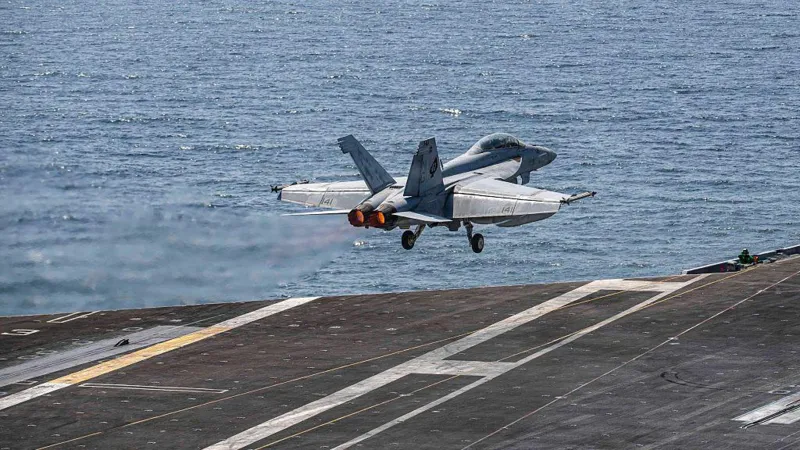
0
0