
Kaothaj_
7 months ago
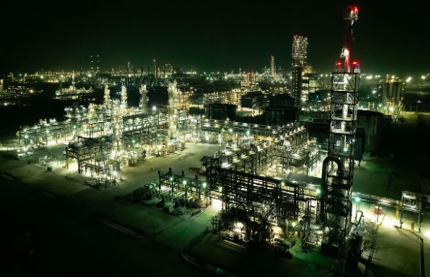
The International Monetary Fund (IMF) has identified the Dangote Petroleum Refinery as a primary driver of Nigeria’s economic diversification, projecting that the facility will boost the country’s non-oil GDP by approximately 1.5% in 2026.
This “refinery dividend” is expected to be a key factor in helping Nigeria reclaim its position as Africa’s third-largest economy, with total GDP projected to hit $334 billion.
Beyond simple fuel production, the IMF’s outlook emphasizes the “multiplier effect” of the $20 billion project, which acts as an industrial anchor for the broader economy.
The Multiplier Effect: Employment and Linkages
The refinery’s contribution to non-oil growth is driven by its deep integration into the domestic supply chain:
Job Creation: The project is estimated to support over 100,000 direct and indirect jobs, significantly impacting the services, logistics, and retail sectors.
Forward Linkages: The refinery provides essential feedstock for a new wave of industrialization:
Petrochemicals: Production of polypropylene and polyethylene for the plastic and packaging industries.
Agriculture: Integration with the fertilizer plant to secure urea supply for the farming sector.
Manufacturing: Reliable access to industrial solvents and chemicals for pharmaceutical and textile firms.
Infrastructure and Real Estate Boom
The sheer scale of the Lekki-based complex has triggered a localized “Gold Rush” in infrastructure development:
Connectivity: The refinery necessitated the construction of the world’s largest sub-sea pipeline network (1,100 km) and major road upgrades in the Lekki-Epe corridor.
Property Value: Real estate analysts have noted a surge in property demand in the surrounding Ibeju-Lekki area, as a massive migration of skilled professionals and ancillary businesses moves into the free trade zone.
Strategic Import Substitution
By shifting Nigeria from a consumer of foreign-refined fuel to a producer, the refinery fundamentally alters the nation’s fiscal math:
Forex Preservation: At full capacity, the refinery is expected to save the country roughly $10 billion annually in foreign exchange, relieving pressure on the Central Bank’s reserves.
Naira Stability: Reduced dollar demand for fuel imports is a core pillar of the IMF’s “constructive” outlook for the Naira in 2026, which in turn lowers the cost of doing business for non-oil manufacturers.
0
83