Not hating, just saying! Drop your honest takes on things that need to be called out. Critique the culture, question the trends, and speak your truth without the hater label. Keep it real, keep it respectful.
10 members • 10 followers

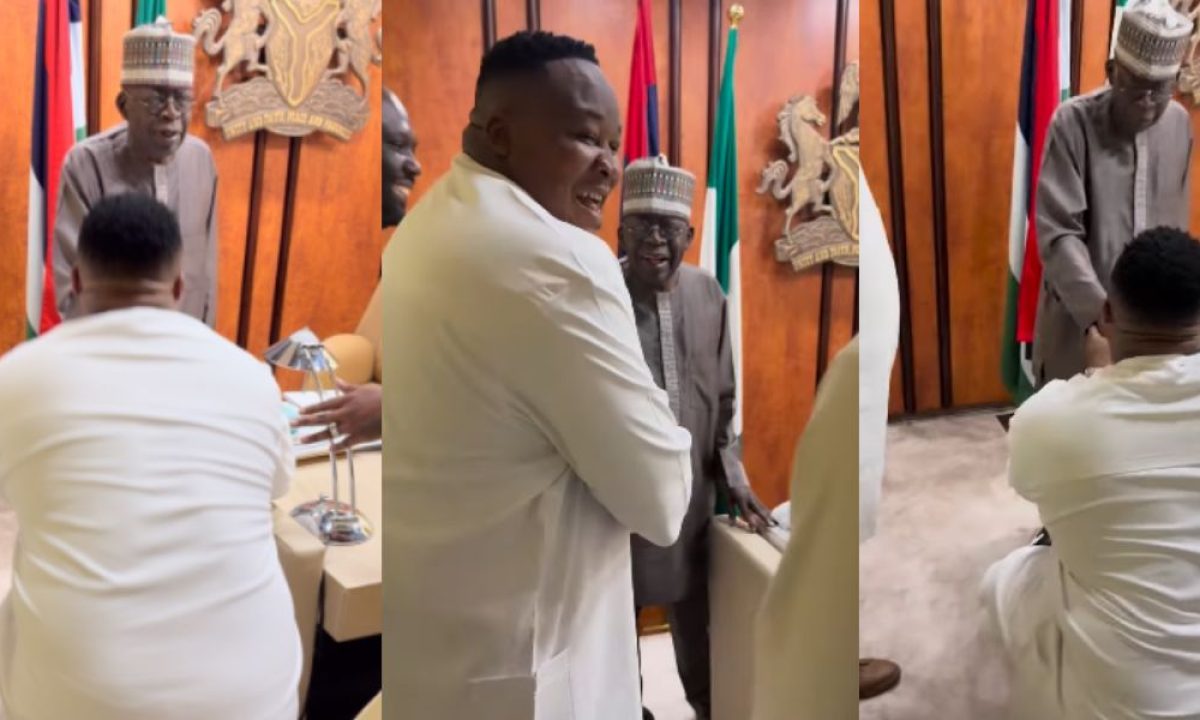 Nigerians are once again in debate mode following a political statement made by celebrity businessman Cubana Chief Priest.
In a recent comment, he urged his kinsmen to support President Bola Ahmed Tinubu for another term, saying:
“He made Buhari president — a Hausa man. He made himself a Yoruba man president. What makes you think he won’t make an Igbo man President if we clearly support him for one more term.”
The statement immediately sparked reactions across social media, with many Nigerians sharing different opinions on what it means for the country’s political future.
Cubana Chief Priest’s remark appears to reference Tinubu’s influential role in the political rise of Muhammadu Buhari in 2015 before eventually becoming president himself in 2023. His argument suggests that political alignment and strategic support could position the South-East for the presidency in the future.
For some Nigerians, the statement reflects political realism. They argue that politics is built on alliances and long-term strategy. In their view, supporting a powerful political figure today could open doors for regional representation tomorrow.
However, others see it differently. Critics question the idea that one individual “makes” another president, emphasizing that leadership in a democracy should be determined by voters and national interest rather than perceived political godfatherism. Many also argue that conversations about the presidency should focus more on performance, governance, and competence rather than ethnic calculations.
The comment has also reignited discussions around the long-standing call for an Igbo presidency. For many in the South-East, it represents a desire for inclusion and equity in Nigeria’s leadership structure. For others, it remains a complex political issue that goes beyond regional support alone.
Regardless of where Nigerians stand on the issue, one thing is clear: political conversations ahead of future elections are already intensifying. Public figures are increasingly using their platforms to shape narratives and influence public opinion.
Cubana Chief Priest’s statement has added another layer to the national conversation about power, influence, and the path forward. Whether seen as strategic advice or controversial rhetoric, it has once again shown that in Nigeria, politics is never far from the spotlight.
0
86