

Nigerians are watching. Listening. And most importantly, remembering.
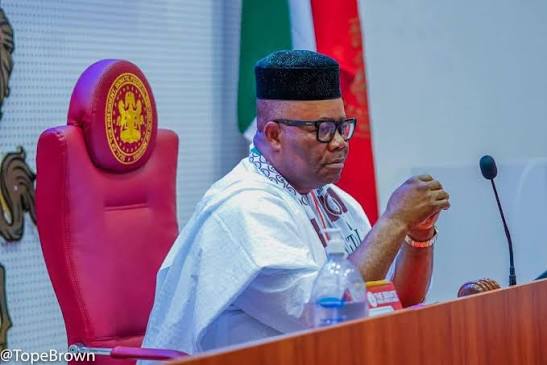
In a move that has once again sparked heated conversations across the country, the Senate has rejected the proposal to make electronic transmission of election results mandatory. For many citizens who have long demanded transparency in our electoral process, this decision feels like a step backward.
Over the years, electronic transmission has been seen as a key tool to reduce manipulation, delay, and human interference in elections. It promises faster collation, fewer loopholes, and more credibility in declaring winners. So, when lawmakers decided against making it compulsory, questions naturally followed: Why now? Who benefits? And what does this mean for future elections?
Supporters of the rejection argue that challenges such as poor network coverage, technical failures, and cybersecurity risks still exist in many parts of the country. They insist that relying fully on digital systems may disenfranchise some voters, especially in rural areas. On the surface, this sounds reasonable. But critics believe these concerns are being used as excuses to maintain a system that has often been accused of being vulnerable to manipulation.
For young Nigerians and first-time voters especially, this decision feels disappointing. Many had hoped that technology would finally help restore confidence in the ballot. Instead, the old fears of delayed results, altered figures, and courtroom battles seem set to continue.
With 2027 drawing closer, the political atmosphere is already heating up. This latest development has added more fuel to the fire. Citizens are beginning to ask tough questions: Will our votes truly count? Can we trust the process? Are our leaders really committed to strengthening democracy?
One thing is certain — 2027 will not be business as usual.
From political alliances to voter turnout, from campaign promises to election day outcomes, everything will be closely monitored. Nigerians are more aware, more vocal, and more connected than ever before. Social media, civic groups, and independent observers will play major roles in shaping the narrative.
At OurPalaver, we believe that democracy only works when the people stay informed and engaged. The rejection of mandatory electronic transmission is not the end of the story — it is a reminder that the fight for transparent elections is far from over.
As 2027 approaches, one question remains on everyone’s mind: Will Nigeria rise to the occasion, or will history repeat itself?
Time will tell. But one thing is clear — Nigerians are watching.
0
79