SlaiNgwu
2 months ago
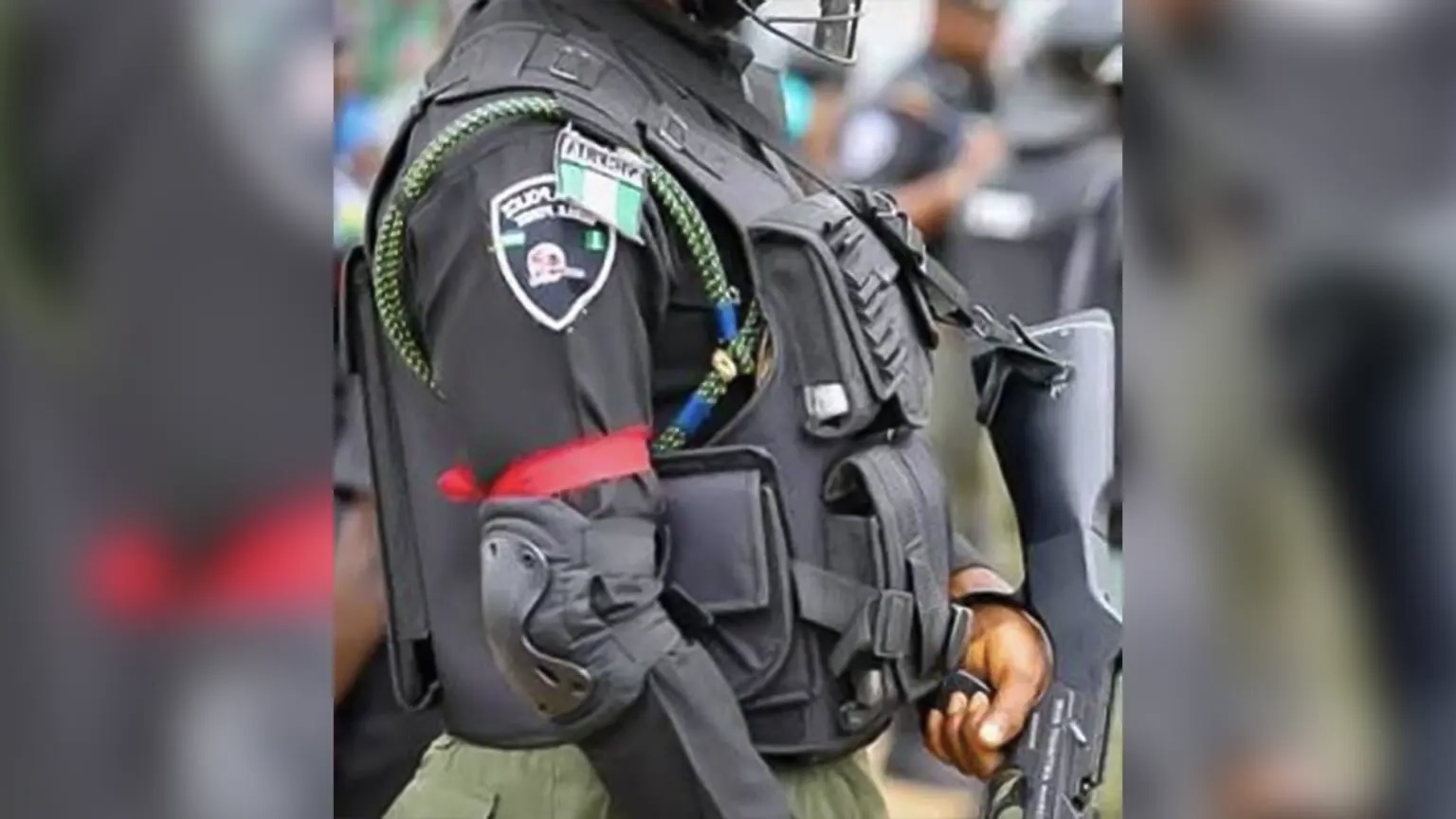
The House of Reps' passage of the Constitution Alteration Bill seeking to establish state police services across the country was the most consequential development in the polity last week. It, however, did not come without some melodrama as the minority caucus staged a walkout, disagreeing with the procedure adopted for the passage of the bill.
The minority had their say after the majority had their way as 311 members of the House voted in favour of the bill, meeting the two-thirds majority required for a constitutional alteration.
The House of Representatives had withdrawn its own version and began deliberations on the executive bill on state policing sent by President Bola Tinubu, and swiftly passed it through both first and second readings. The lower legislative chamber thereafter referred the bill to its Committee on Constitutional Review for detailed consideration.
This culminated in the passage of the bill on Thursday, coming four weeks after the Senate passed the bill. Next stop is the constitution of a harmonisation committee to reconcile the Senate and House versions of the bill into a single agreed text. Once harmonised, the bill will return to both chambers for final adoption, before proceeding to the 36 State Houses of Assembly for concurrence.
The rate at which the All Progressives Congress, APC-dominated National Assembly is racing towards activating state policing in the country is festering fears that it’s out of desperation for a means to manipulate the 2027 general election. With the party controlling 31 of the 36 states, the fear is that winning next year’s elections becomes a fait accompli once each state has a police force that is subject to the governor.
It was reported by Daily Sun today that governors have already reached out to their respective Speakers, with instructions that concurrence must be secured within one month, after which the bill will be sent back to the National Assembly for onward transmission to the President for assent. The states’ chief executives were also said to have opened a separate line of engagement with aides to President Bola Tinubu, urging that assent be given without delay once the harmonised bill returns to him.
Meanwhile, the Tanimu Turaki-led faction of the Peoples Democratic Party (PDP) has threatened litigation against the House for passing the bill through a voice vote rather than a clause-by-clause consideration. Analysts believe the opposition to the process is a means of expressing the suspicion that there’s an ulterior agenda behind the ruling party’s interest in the bill. Yet, the dire security situation in the country calls for a grassroots policing structure to man the large swaths of the country that are ungoverned spaces.
President Bola Tinubu, while transmitting the bill to the lawmakers, pointed out that the proposed amendment is designed to provide a legal framework for a dual policing structure, allowing states to establish and operate their own police services alongside the federal police.
He added that the bill was a critical component of ongoing efforts to reorganise the country’s policing system, enhance security and better protect citizens.
Politicians in the opposition, however, have a different opinion. The Nigeria Democratic Congress (NDC) presidential candidate, Peter Obi, has called on the federal government to shelve the idea of state police until after the 2027 general election, warning against hasty implementation. For his party man, Buba Galadima, “Nobody ever conceived the idea of state police to sort out security. If the police, military, cannot solve security situations in Nigeria, I wonder how the state police will be able to do that. All that we know is that the president and governors are looking for state police before the elections so that they can use them as political thugs to attack the opposition,” the NDC chieftain said while featuring on Arise News early this month.
Before then, the African Democratic Congress (ADC), through its National Publicity Secretary, Bolaji Abdullahi, criticised the President Bola Tinubu administration’s push for state police, describing it as a “rushed and politically driven response to Nigeria’s worsening insecurity.” The opposition party pointed out that while it supports the creation of state police, the reform cannot succeed without the institutional preparedness and safeguards necessary to make it effective.
On its part, the Peoples Redemption Party (PRP) claimed that the current administration lacks the credibility and public trust required to undertake such a significant reform. National Chairman of the party, Hakeem Baba-Ahmed, in a statement, accused the current government of failing to manage the country’s security structure and institutions. “The APC administration has failed to manage our security structure and institutions. Its plan to engineer the emergence of state police is suspicious and it should be rejected,” he said in a statement.
These hysterical reactions may be unnecessary after all. This is because even if federal lawmakers sacrificed their annual vacation (very unlikely) due for next month to finalise work on the bill with similar celerity used in reinstating the old national anthem, there’s hardly any way a state policing system could be in operation before the next general election. With the polls set to open between January and early February 2027, that’s barely six months, which is the duration for the current model of police training - recruits spend six months in the police academy. That will mean that the first intakes are six months away, assuming that the bill has been passed into law and that recruitment processes for the would-be state police personnel have been concluded. This is not to mention the time needed to procure infrastructure like office buildings, furniture and equipment.
It is therefore untenable that state police would be at the ready next year to be used in bending the people’s will and resolve during the general election. There’s also the debate about whether state police should bear arms. If they do, who controls the arms? Because that is still under the Exclusive Legislative List, and would the federal government open that into the Concurrent List, or will it still retain control? It remains to be seen how state police operatives can intimidate voters without arms.
Although the bill empowers state governors to appoint commissioners of police for their respective states, subject to confirmation by the Houses of Assembly, certain guardrails have been included to avert abuses. While the House established a framework for direct funding, independent oversight, federal intervention and community policing, the Senate included Section 17(7) stipulating that “a state Commissioner of Police shall not arrest, detain, investigate or deploy force against any person, political party or group merely for criticizing the government except in accordance with the law”.
Against the backdrop of the foregoing, don’t you think the sentiments being expressed by the opposition regarding state police are unfounded and unnecessary?
0
21