
Nigerian social media gist across all social media platforms: TitTok, Instagram, Twitter, Facebook etc
12 members • 17 followers

Akara, Kuli-Kuli and Hope: Is This Really the Message Nigerians Need Right Now?
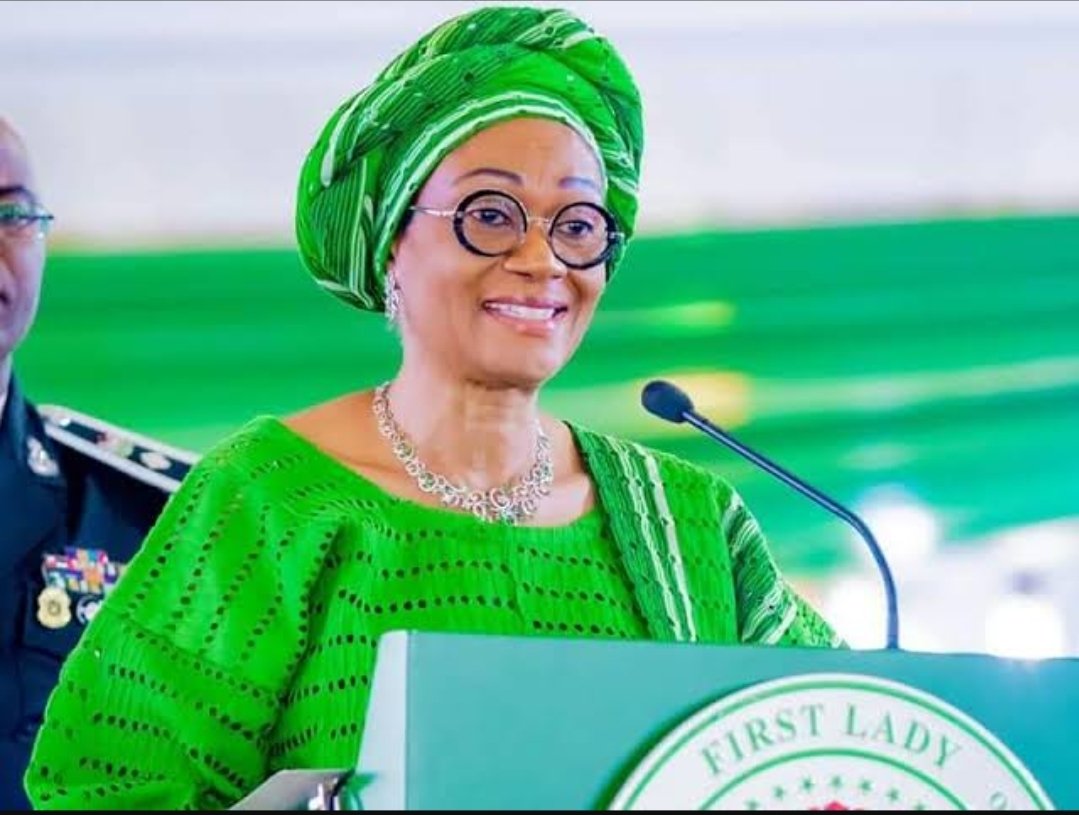
When Nigeria's First Lady, Senator Oluremi Tinubu, recently encouraged Nigerians to consider small businesses such as selling akara, roasted corn, bananas and kuli-kuli as examples of ventures that require little capital, she was trying to make a case for grassroots entrepreneurship. She also highlighted the interventions of the Renewed Hope Initiative, including grants—not loans—for vulnerable Nigerians, as well as funding for tuberculosis treatment, breast cancer care, malnutrition, agriculture, education, scholarships and ICT training.
But while the intention may have been to inspire hope, the message has sparked a larger national conversation.
The question is not whether selling akara or kuli-kuli is a dignified business—it absolutely is. Across Nigeria, countless families have built successful lives through small and micro-enterprises. The real question is whether these examples should be the flagship message coming from the country's highest office at a time when millions of Nigerians are struggling with inflation, rising food prices and unemployment.
Ironically, the First Lady herself acknowledged that billions of naira have been committed to health, education, agriculture and other interventions. If such significant resources are already being deployed, many Nigerians wonder whether the conversation should now focus on expanding access to capital, creating jobs, improving the business environment and helping existing micro-businesses grow beyond survival.
The debate is therefore bigger than akara or kuli-kuli. It is about expectations. Should national leaders encourage citizens to start with what they have, or should they present a broader vision that helps small businesses become medium-sized enterprises capable of creating more jobs?
Perhaps the controversy is less about the businesses mentioned and more about what many Nigerians expected to hear. For a nation seeking economic transformation, citizens are asking whether hope should come with bigger opportunities—not just smaller ambitions.
0
37