
salami
a year ago
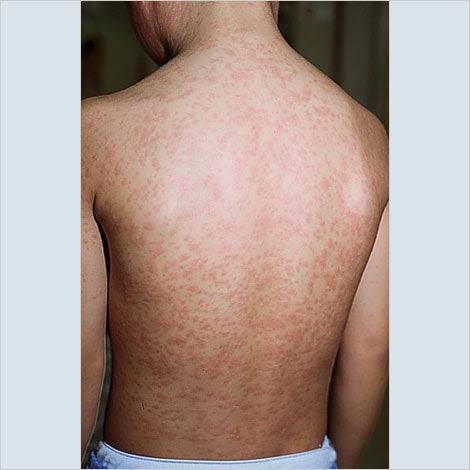
Measles is a highly contagious viral infection caused by the measles virus, a member of the paramyxovirus family. It mostly affects children but can occur at any age if the person is not vaccinated.
Despite the availability of safe and effective vaccines, measles remains one of the leading causes of death among young children globally, especially in areas with low immunization coverage.
How It Spreads
Measles spreads through respiratory droplets when an infected person coughs, sneezes, or talks.
The virus can survive in the air and on surfaces for up to 2 hours.
A child can get infected by breathing contaminated air or touching contaminated surfaces and then touching their eyes, nose, or mouth.
A person with measles is contagious from 4 days before the rash appears until 4 days after it disappears.
Signs and Symptoms
The symptoms usually appear 10–14 days after exposure and develop in stages:
1. Early symptoms (prodromal phase):
High fever (often over 39°C / 102°F)
Dry cough
Runny nose (coryza)
Red, watery eyes (conjunctivitis)
Fatigue and loss of appetite
Koplik spots, tiny white spots inside the mouth (a classic sign of measles)
2. Rash phase:
A red, blotchy rash begins on the face (around the hairline and behind the ears) and then spreads downward to the trunk, arms, and legs.
Rash lasts 5–7 days and then fades in the same order it appeared.
Complications
While measles is sometimes mistaken as a “mild childhood illness,” it can cause serious and life threatening complications, especially in children under 5 years and those who are malnourished or with weak immunity.
Common complications include:
Ear infections which can lead to hearing loss.
Pneumonia which is the most common cause of death from measles.
Severe diarrhea and dehydration.
Encephalitis (brain swelling) which can lead to seizures, brain damage, or death.
Blindness (due to vitamin A deficiency combined with measles infection).
Prevention
The most effective way to prevent measles is through vaccination:
MMR vaccine (Measles, Mumps, Rubella) is widely used.
First dose: 9–12 months.
Second dose: 15–18 months or at school entry age.
Two doses give lifelong protection in over 95% of children.
Other preventive measures:
Ensuring good nutrition (especially foods rich in Vitamin A) to boost immunity.
Isolating infected children to prevent further spread.
Treatment
There is no specific antiviral treatment for measles. Management focuses on relieving symptoms and preventing complications:
Adequate rest and fluids.
Paracetamol (acetaminophen) for fever and discomfort (avoid aspirin in children).
Treating cough and sore throat with soothing remedies.
Vitamin A supplements are given to reduce severity and prevent complications.
Prompt medical care for complications (antibiotics for bacterial infections like pneumonia or ear infections).
Key Points for Parents & Caregivers to note
Measles is not just a rash; it is a serious, potentially deadly disease.
Vaccination is safe, effective, and the best protection.
Seek medical attention immediately if your child shows symptoms of measles.
Ensure your child gets proper nutrition and Vitamin A to reduce risks.
In summary: Measles is preventable through vaccination, but if left unchecked, it can cause severe illness or death in children. Parents should ensure complete immunization and be alert to early symptoms to seek prompt medical care.
0
0