Breaking news and other interesting news from Nigerian media or social media outlets
10 members • 15 followers

Kaothaj_
6 months ago
Nigeria’s fiscal direction for 2026 is beginning to take shape as the House of Representatives Nigeria moves forward with one of the country’s largest budgets in history. The newly passed appropriation bill reflects both increased spending ambitions and ongoing economic reforms.
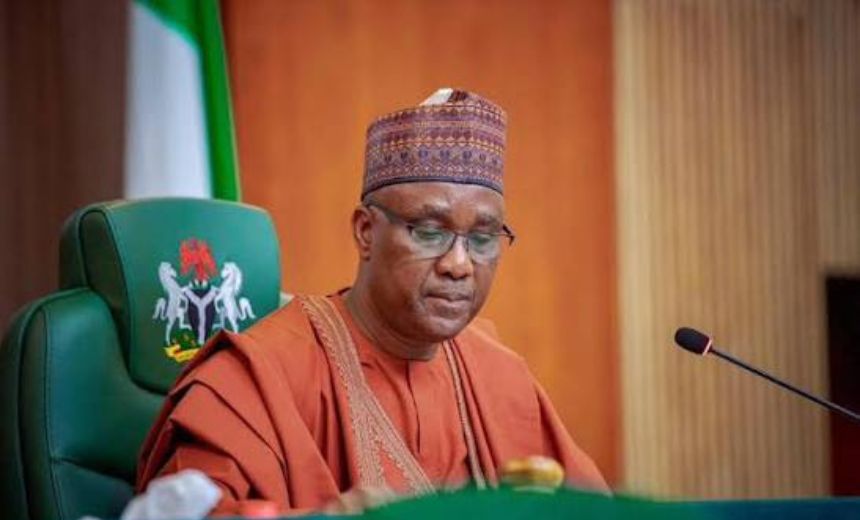
“House of Representatives has passed the 2026 Appropriation Bill of N68.3 trillion.
This includes the additional N9 trillion added by President Bola Tinubu to the N58.4 trillion budget proposal he presented to the joint session of the National Assembly in December last year.”
From Proposal to Expansion
Originally, Bola Ahmed Tinubu presented a budget proposal of about ₦58 trillion for the 2026 fiscal year, outlining key priorities such as infrastructure, security, and economic stability.
The new figure—₦68.3 trillion—reflects an upward revision, with an additional ₦9 trillion added before passage. This signals a more aggressive spending plan, likely aimed at addressing pressing national needs and sustaining economic reforms.
What the Budget Represents
Budgets of this scale are not just numbers—they are policy statements. The 2026 appropriation outlines how the government intends to allocate resources across critical sectors like:
Security and defence
Infrastructure development
Education and healthcare
Debt servicing and recurrent spending
Earlier breakdowns of the proposal showed a heavy focus on capital expenditure and debt obligations, alongside efforts to stabilize the economy and improve revenue generation.
Why the Increase Matters
The jump from roughly ₦58 trillion to ₦68.3 trillion raises important questions:
Is the increase driven by inflation and rising costs?
Does it reflect expanded government projects or new policy priorities?
How will the additional spending be funded?
With Nigeria already managing a significant budget deficit, funding strategies—whether through borrowing, increased revenue, or reforms—will be closely watched.
The Role of the National Assembly
Under Nigeria’s constitutional framework, the National Assembly of Nigeria plays a key role in reviewing, adjusting, and approving the national budget. Lawmakers can modify the executive proposal to reflect broader national interests before final passage.
Looking Ahead
While the House has passed the bill, the process is not fully complete until concurrence by the Senate and eventual presidential assent. The final version of the budget—and how effectively it is implemented—will ultimately determine its real impact on Nigerians.
For many citizens, the key concern remains simple: will this record-breaking budget translate into tangible improvements in daily life?
0
0