
A terminal for university students across all disciplines in Nigeria to chat, debate, pass information, network, learn, and grow.
41 members • 130 followers
Licia
6 months ago
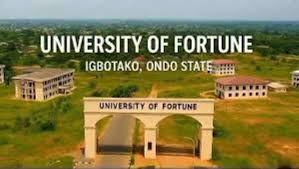
The University of Fortune, Igbotako, located in Ondo State, has recently released its comprehensive fee structure for the 2026/2027 academic session, setting a significant benchmark for private tertiary education costs in Nigeria. Owned by billionaire businessman and Senator, Dr. Jimoh Ibrahim, the institution has positioned itself as a high-end academic destination while introducing unique social welfare initiatives to support its students amidst the country’s challenging economic climate. The newly published schedule reflects the rising costs of maintaining global educational standards, with specialized courses naturally attracting the highest premiums.
According to the official gazette from the university’s bursary, students enrolled in the prestigious Bachelor of Laws (LLB) program will pay ₦1,500,000 per session. Other high-demand professional courses, including Nursing Science, Public Health, Cyber Security, and Computer Science, have been pegged at ₦990,000 per session. These figures are inclusive of tuition and administrative charges but remain separate from the specialized accommodation packages. To cater to a variety of student preferences, the university offers premium housing options, including air-conditioned hostel rooms starting at ₦150,000, designed to provide a conducive environment for intensive study.
In a move that has trended heavily on social media, the University of Fortune has introduced a "Student Support Initiative" to directly address the impact of inflation on student well-being. The institution has announced that it will provide free breakfast to all students throughout the first semester of the upcoming session. This "zero-hunger" policy is intended to ensure that students are physically prepared for their morning lectures without the added stress of rising food costs, a gesture that many education analysts have praised as a model for corporate social responsibility within the private sector.
Beyond the financial breakdown, the university is also highlighting its "fast-track" graduation policy, which guarantees that students will complete their four or five-year programs without the interruptions typically associated with industrial actions. With a campus powered largely by independent renewable energy sources and a curriculum heavily integrated with Silicon Valley-style tech certifications, the 2026/2027 session is being marketed as a premium investment in future employability. Prospective students and parents have been advised to visit the university's admission portal to finalize their registrations before the mid-year deadline.
1
2